
November in the Appalachian foothills has a way of stripping a football team down to its bare essentials. The air turns sharp, the shadows stretch across the turf at Milan Puskar Stadium before halftime, and the noise from a desperate crowd doesn’t just echo—it settles into your chest.
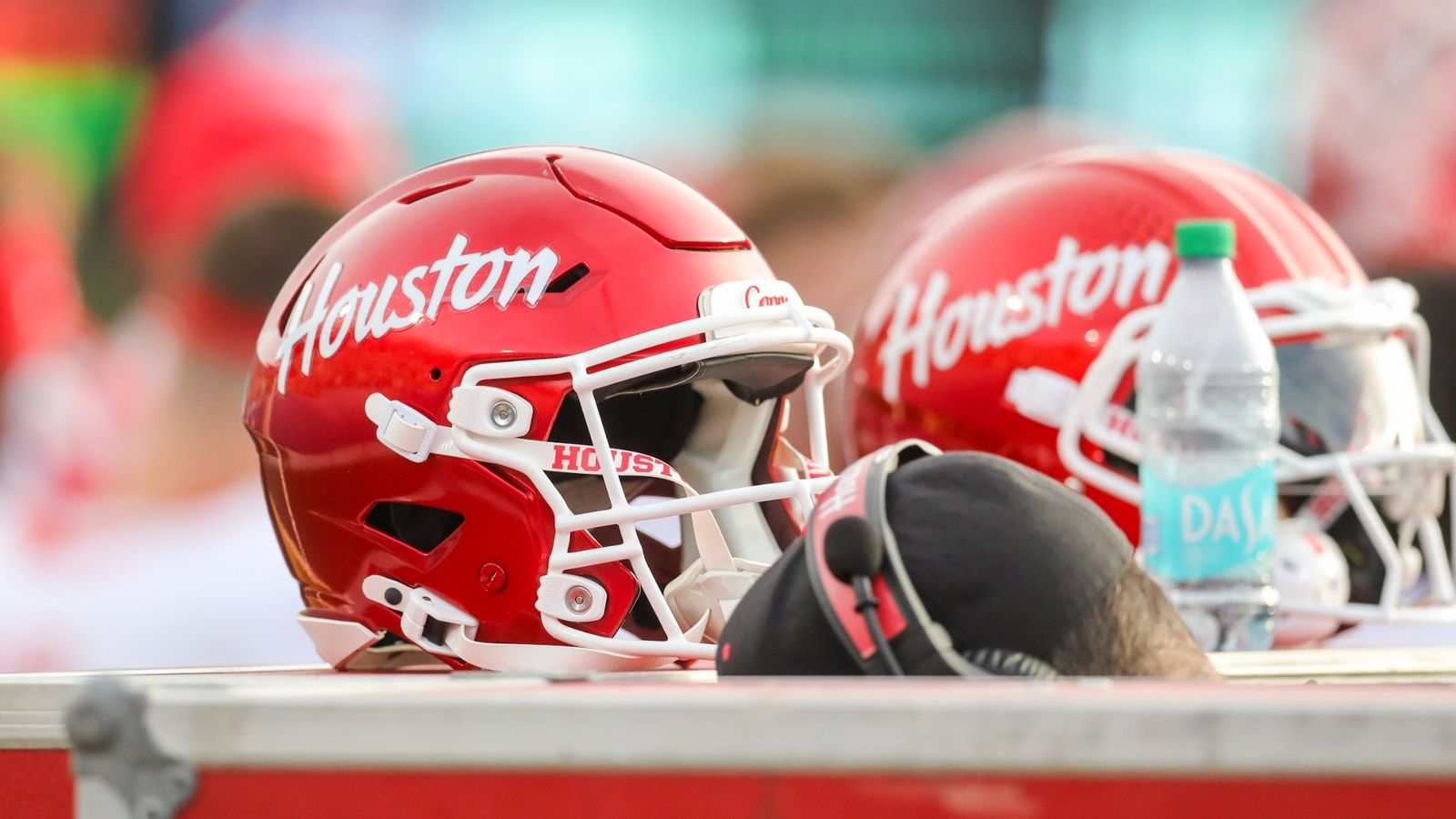
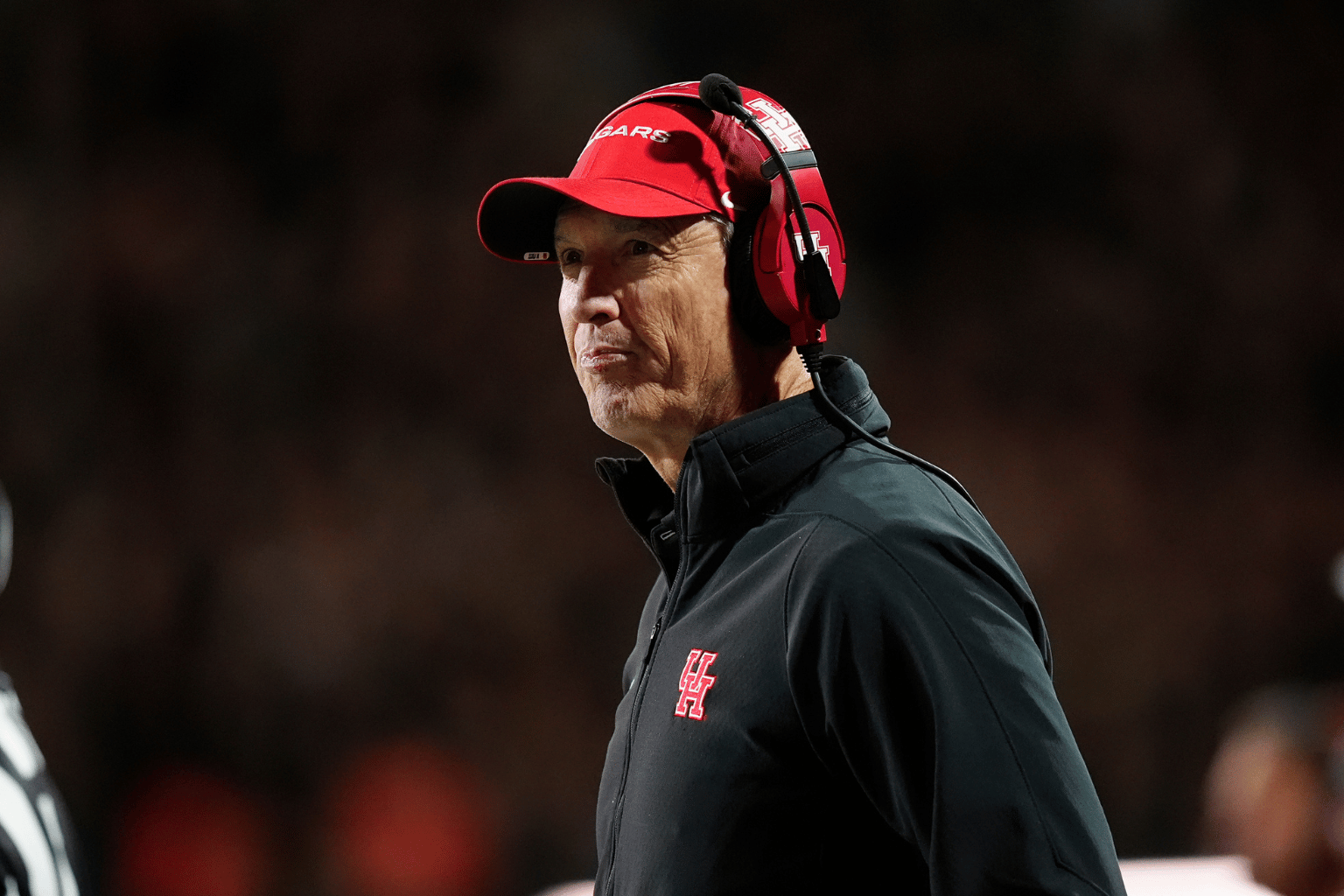
No. 20 Houston makes its first-ever trip to Morgantown on Saturday (1 p.m. ET, TNT) to close out its regular-season road slate, carrying a very different burden than it did a month ago. Back in mid-October, Willie Fritz’s squad sat at 6-1, staring at a clear runway toward the College Football Playoff. Back-to-back road losses at Utah (21-13) and Colorado (42-32) slammed that window shut. Now at 7-3 (4-3 Big 12), the Cougars are playing for pride and bowl positioning. Across the field, West Virginia (5-5, 2-5) is playing for survival. Rich Rodriguez needs one more victory to secure bowl eligibility, and waiting on the other side of Saturday is a daunting trip to No. 2 Utah next week.
Strip away the standings, and this matchup sets up as a collision between two high-wattage offenses dragging inconsistent defenses behind them. West Virginia averages 34.9 points per game while surrendering 34.8. Houston puts up 35.1 and allows 23.4, though the Cougars' run defense has sprung leaks recently and got pushed around in Boulder. In a game built like a track meet, the winner isn't decided by aesthetics; it’s decided in the margins—third down, the red zone, and turnovers. Houston owns the third-down battle by a wide margin and brings a plus-6 turnover differential (17th in the FBS), while West Virginia holds the upper hand inside the 20.
The Quarterback Variable
Everything begins under center, where both offenses live and die by the health of their signal-callers.
Houston’s Conner Weigman—who has thrown for 2,552 yards, 25 touchdowns, and just three interceptions, including a 272-yard, three-score performance at Colorado—landed on Friday’s Big 12 availability report as questionable. If he sits or plays compromised, the keys belong to true freshman Kei Henderson. The former five-star out of Legacy the School of Sport Sciences in Spring, Texas, was 247Sports’ No. 1 overall recruit in the 2026 class and the highest-rated signee in program history. Making a first career start on the road in late November, against a home team fighting for its postseason life, is a baptism by fire.
On the other sideline, West Virginia’s Michael Hawkins Jr. was cleared from the injury report after nursing an ankle bone bruise from the Kansas loss, though nobody’s ankle is truly 100 percent in late November. If Hawkins lacks his normal burst, Scotty Fox Jr. steps in. Fox started five games as a freshman a year ago, including the Mountaineers' 45-35 upset in Houston.
From a schematic standpoint, mobility dictates the entire call sheet:
If Weigman is limited: Houston’s passing game thrives on early-down rhythm. A quarterback who cannot extend plays puts immediate stress on pass protection and route timing.
If Henderson plays: ESPN’s top-ranked dual-threat quarterback coming out of high school wouldn't shrink Fritz’s playbook so much as bend its geometry, inviting designed QB runs and movement throws to keep him out of obvious passing downs.
If Hawkins is slowed: West Virginia’s zone-read ground game only works when defenders have to honor the quarterback keep on every snap. Take that threat off the table, and Houston’s linebackers can trigger downhill on the running back.
Whichever staff has to turn to its bullpen faces the exact same mandate: simplify the reads, stay ahead of the chains, and never ask a young quarterback to bail you out on third-and-long.
The Trench Mismatch: Houston on Third Down
The sharpest tactical divide on the field pits Houston’s third-down machine against a West Virginia defense that cannot get off the grass.
The Cougars convert an FBS-best 58.9 percent of their third downs—the highest clip by any offense since at least 2011. That efficiency isn't magic; it’s structural. Houston ranks third nationally in offensive success rate (gaining 50 percent of needed yardage on first down, 70 percent on second, and 100 percent on third or fourth). Because they consistently win early downs, the Cougars face an average of just 5.69 yards on third down, the third-shortest distance in the country. At third-and-5 instead of third-and-9, the entire playbook remains live. You can run inside zone, hit a quick stick route, or take a vertical shot, and the defense has to defend every blade of grass.
Defensive coordinator Zac Alley’s West Virginia unit is trending in the opposite direction. Ranked 50th in third-down defense through five games, the Mountaineers have cratered to 114th, allowing conversions 45.4 percent of the time. Opponents face an average of 6.29 yards to go on third down (121st) and post a 126th-ranked success rate against them.
The cumulative toll shows up in the fourth quarter. Over the past three games, only six FBS defenses have spent a larger share of the game clock on the field, and only three have defended more snaps. West Virginia’s offense hasn't offered any relief, converting just 16 of 44 third downs over that stretch.
To disrupt Houston’s cadence, West Virginia must create havoc at the line of scrimmage on first and second down. The Mountaineers average 6.1 tackles for loss per game (29th) but just 2.1 sacks (65th), and both numbers dip in Big 12 play. Going up against a Houston offensive line that surrenders the third-fewest sacks in the nation and ranks 12th in fewest tackles for loss allowed, generating negative plays will be an uphill climb.
Exploiting the Weak Links
Houston is one of just two FBS teams ranked inside the top 25 in scoring, total, passing, and rushing offense. That balance will test a West Virginia defense sitting 121st against the run and 138th against the pass.
Running back Makhi Hughes (712 yards, five touchdowns) is coming off a 106-yard effort at Colorado. Through the air, top receiver Amare Thomas (53 catches, 764 yards, nine touchdowns) will spend most of his afternoon working out of the slot against nickel safety Geimere Latimer II. While Latimer has been a steady piece for the Mountaineers, his 58.0 coverage grade suggests Thomas—who dominates at the catch point and finishes through contact—holds a clear leverage advantage. If West Virginia rolls safety help over the top to bracket Thomas, tight end Patrick Overmyer (nine catches, 116 yards, one touchdown last week) becomes the automatic outlet in the soft spots of the zone.
Houston’s real vulnerability sits on the other side of the ball. Colorado entered last Saturday near the bottom of the Big 12 in rushing yet gashed the Cougars for nearly 250 yards, turning a 20-7 late-second-quarter deficit into a 35-12 runaway. Missed run fits and soft perimeter force—underscored by cornerback Will James’ 51.9 run-defense grade despite ranking second on the team in run-defense snaps—are glaring red flags.
Now Houston has to corral Cam Cook (1,084 yards, eight touchdowns) and the nation's sixth-ranked rushing attack (240.7 yards per game). Cook was held to 12 yards against Kansas only because a 30-7 halftime hole forced West Virginia to abandon the run. In a competitive game, Cook will get fed. Because he thrives at making the first tackler miss in space, Houston’s edge defenders must set hard boundaries and rally to the ball, or risk watching West Virginia bleed the clock and keep the Cougars' offense pacing the sideline.
If the Mountaineers pull off the upset, it will happen inside the 20. Houston ranks 107th in red zone defense, surrendering points on 88.9 percent of opponent trips, while West Virginia scores on 88.6 percent of its visits (36th). The Cougars have to stiffen in tight spaces and force field goals rather than trading touchdowns with a desperate home team.
The Verdict
Oddsmakers expect fireworks. Houston opened as a 7.5-point favorite and moved to -8.5, with the over/under sitting at 70.5. ESPN’s Matchup Predictor gives the Cougars a 73.6 percent win probability, though betting trends urge caution on laying the points: Houston is 3-7 against the spread, having failed to cover four straight and six of its last seven, while West Virginia sits at 5-4-1 ATS. Notably, both prior meetings between these programs cleared the total and finished with exactly 80 points—Houston won 41-39 as a 2.5-point underdog in 2023, and West Virginia took a 45-35 decision as a 12.5-point underdog last season.
With playoff chatter silenced, late November reveals whether a team plays to its standard or its circumstances. If Fritz’s squad executes on early downs, tackles in space, and protects the football, it has the superior roster. Come out flat, and they hand a bowl-hungry home crowd the exact spark it needs.
The Pick: Houston 41, West Virginia 34. I trust Houston's offense to stay on schedule, win on third down, and find an extra possession with its turnover margin. I don't trust its run defense enough to lay 8.5 points on the road. West Virginia covers, and 75 combined points clears the total. Houston leaves Morgantown with its eighth win, and West Virginia heads to Salt Lake City still looking for its sixth.