
There was a time when Houston football felt like summer heat rising off old concrete.
The Astrodome still lived in people’s memories. Friday night lights stretched across every corner of the city. Kids carried helmets through neighborhood parks, dreaming about Saturdays beneath bright stadium lights and Sunday afternoons in the NFL. Football in Houston always carried a certain sound to it—whistles echoing through humid air, marching bands drifting across parking lots, and radios humming postgame conversations deep into the night.
This city has always loved football too deeply to fake it. That’s why people knew when something was missing. For years, the University of Houston wandered somewhere between potential and permanence. There were moments, flashes, electric Saturdays, but never quite the feeling that the program belonged fully to the city again. Houston football felt like an old photograph tucked away in a drawer—powerful, meaningful, but fading at the edges.
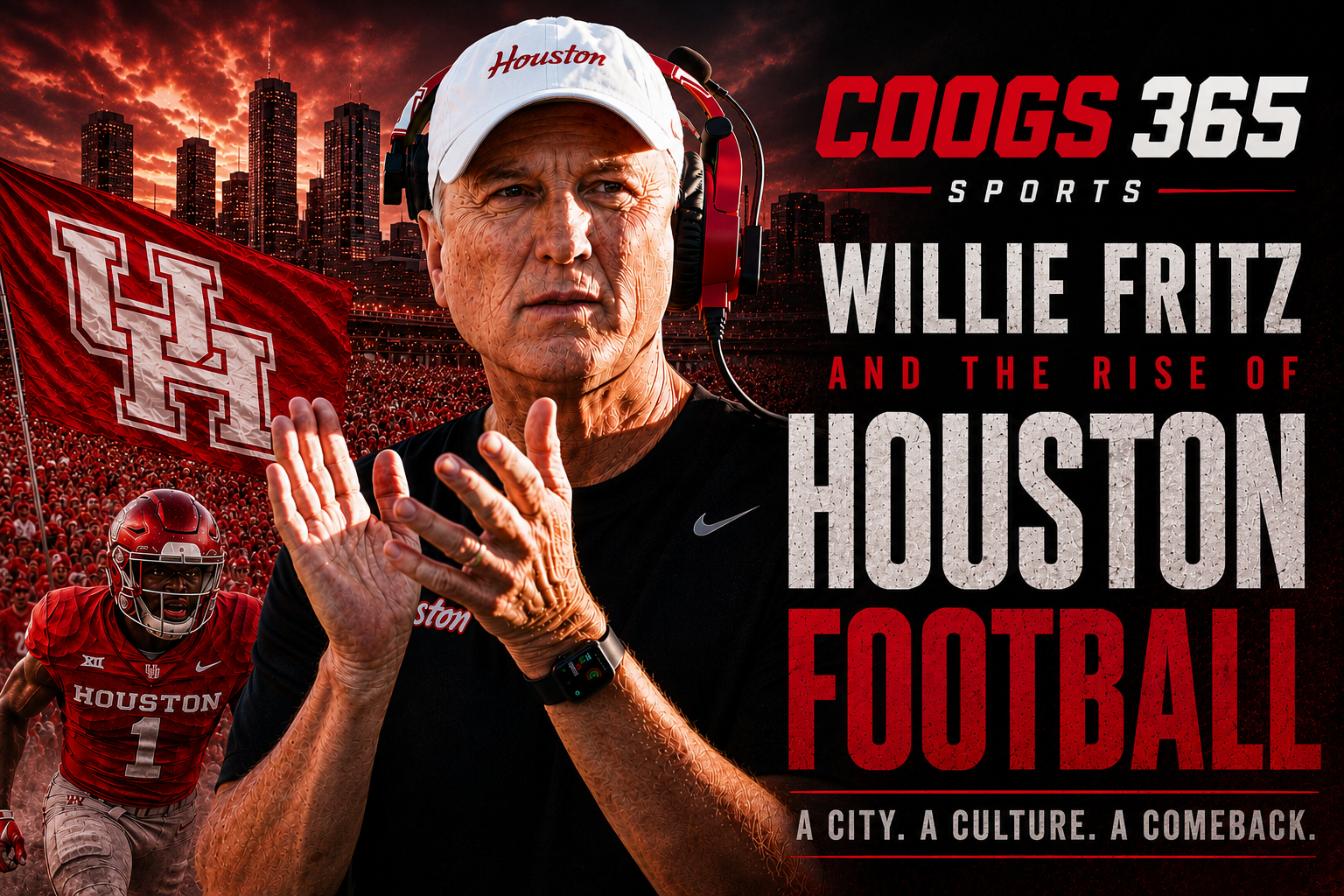
Then Willie Fritz arrived carrying something college football rarely has anymore:
Patience. Not the loud kind. Not the performative kind. The real kind. The kind built in lonely film rooms, hard practices, and difficult winters before anybody outside the building notices what’s changing.
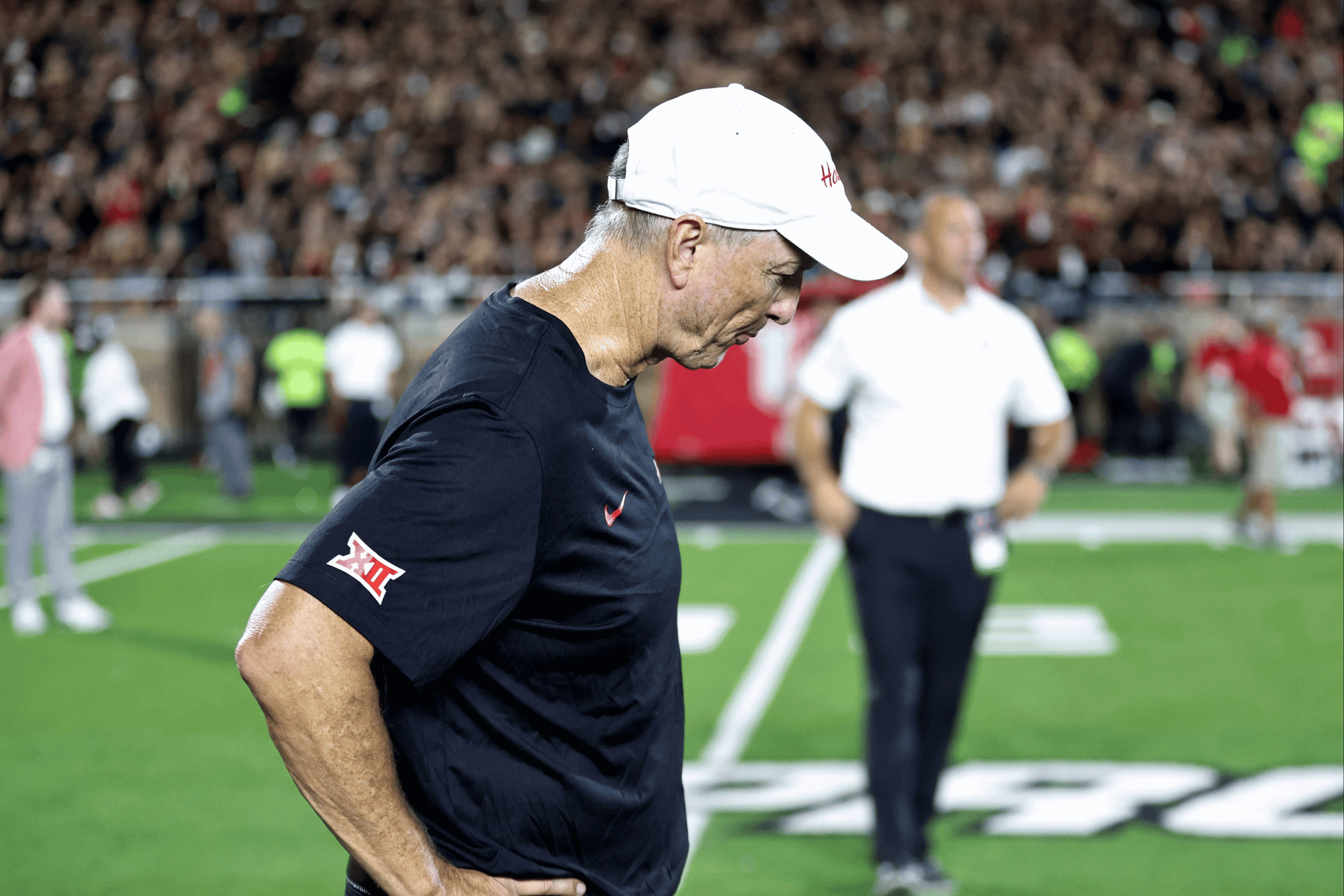
The first season under Fritz wasn’t romantic. It was uncomfortable. Houston took its bruises. The losses stacked up. Saturdays felt heavy. But inside the struggle, something deeper was happening. The program was learning how to become hard again.
Hard mentally.
Hard physically.
Hard emotionally.
Eventually, the city began recognizing itself in the team. That’s when everything shifted. By 2025, Houston no longer looked like a program trying to survive the Big 12. The Cougars looked alive. They finished 10-3, won six conference games, beat LSU in the Texas Bowl, and ended the season ranked inside the Top 25. The offense erupted for 378 points while the defense transformed into one of the conference’s most physical groups.
But the beauty of that season wasn’t found in statistics. It was found in feeling.
The way Houston fought on the road. The way they answered after adversity.
The way fourth quarters suddenly belonged to the Cougars again. There was poetry in the toughness.
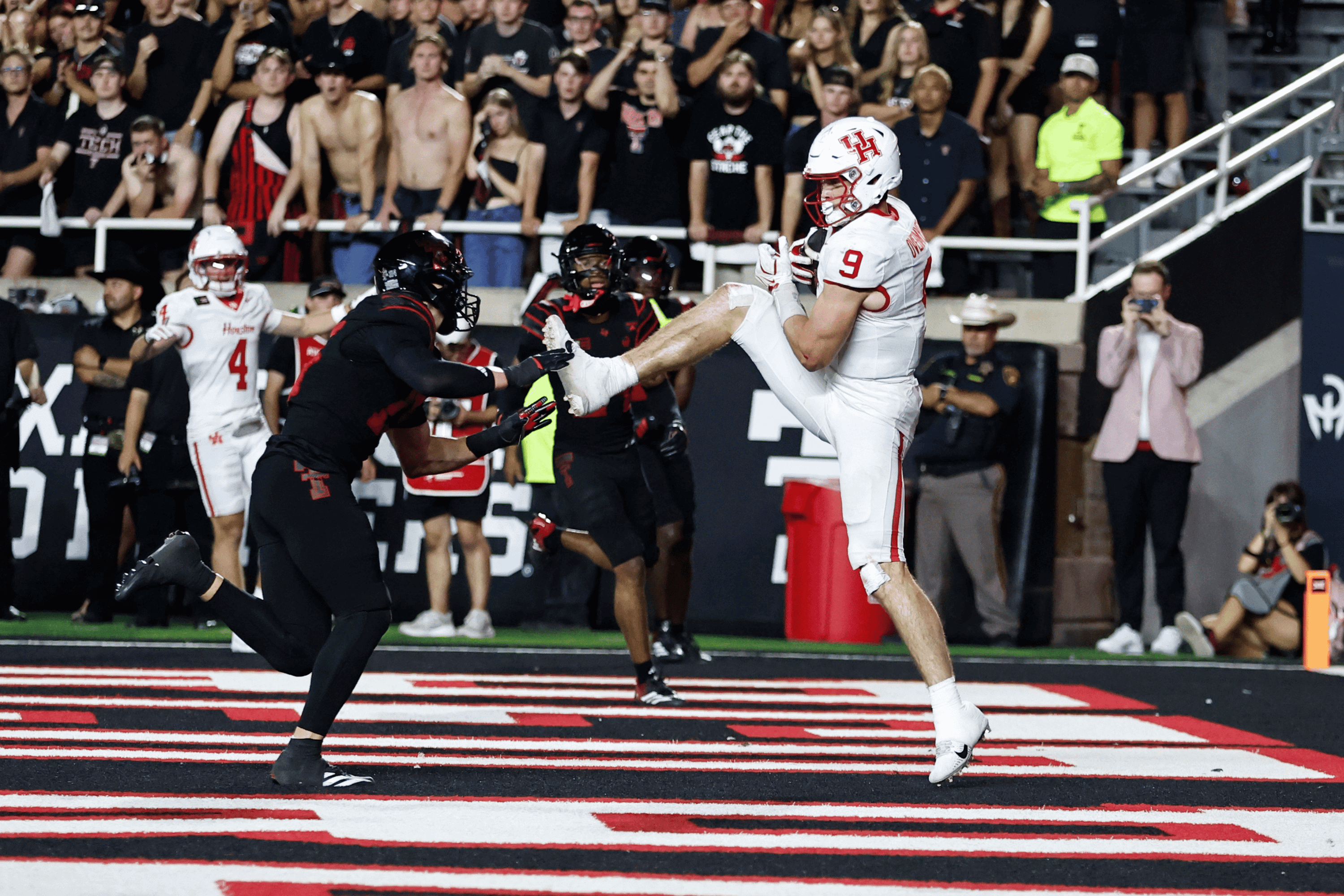
Quarterback Conner Weigman steadied the offense with calm confidence. Tanner Koziol became a Sunday football player before everyone’s eyes, catching 74 passes and turning the middle of the field into his own personal territory. Dean Connors ran with the kind of urgency that felt stitched into the history of Texas football itself.
And little by little, Houston started sounding different again.
You could hear it in barbershops.
In parking lots outside high school games.
On late-night call-in shows.
At family cookouts where football conversations never truly end.
People weren’t talking about Houston as a rebuilding program anymore.
They were talking about them like they mattered. That’s the thing about cities like Houston — they know when football is authentic. They know when a team reflects the place it represents.
Willie Fritz never tried to sell Houston a dream. He sold discipline. Development. Accountability. The old-school values that built generations of football long before social media turned the sport into noise.
And somehow, that made the rise feel even bigger. because this wasn’t built on gimmicks. It was built on linemen leaning on defenses in the fourth quarter.
On players choosing toughness over comfort. A coach old enough to understand that real programs aren’t built in headlines—they're built in habits.
The most beautiful part of Houston’s rise under Fritz is that it feels familiar in a city that had forgotten this feeling.
The Cougars feel connected to Houston again.
To the neighborhoods.
To the toughness.
To the pride.
To the belief that football can still belong to the people who love it most.
And on certain nights now, when the lights hit TDECU stadium just right and the crowd begins to roar again, it almost feels like the city remembers what it used to sound like. Not hopeful. Dangerous.